Akram Zaatari
Lebanon
Biography
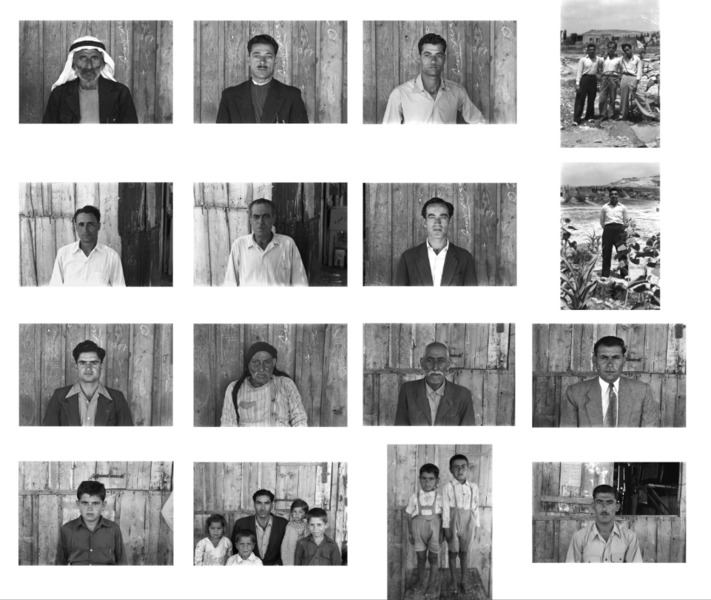
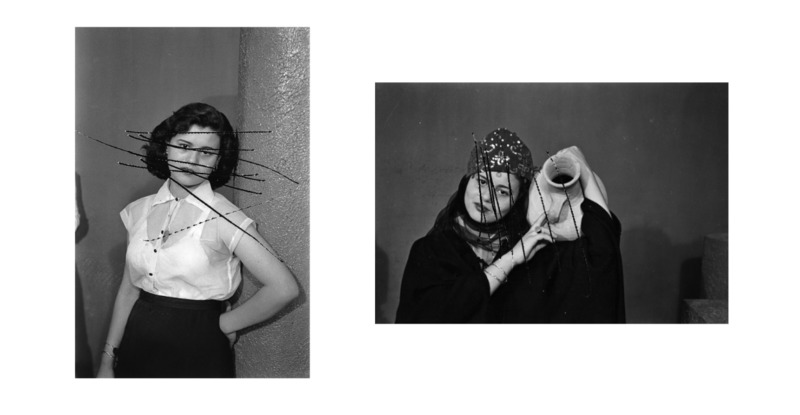
Akram Zaatari (born 1966, Sidon, Lebanon) is an artist, filmmaker, and co-founder of the Arab Image Foundation whose interdisciplinary practice brings together photography, film, video, installation, archival research, and writing. His work investigates the production, circulation, preservation, and interpretation of images, particularly in relation to memory, conflict, political resistance, intimacy, and everyday life. Working extensively with photographic archives and personal documents, Zaatari examines how images can function simultaneously as records, objects of memory, and instruments through which histories are constructed and understood.
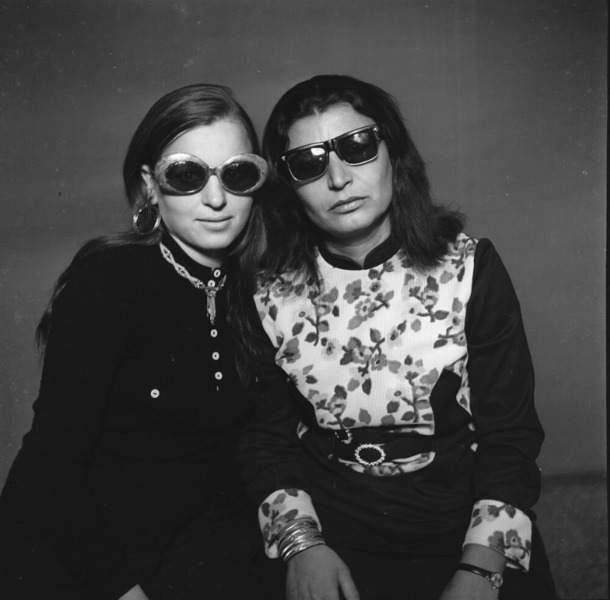
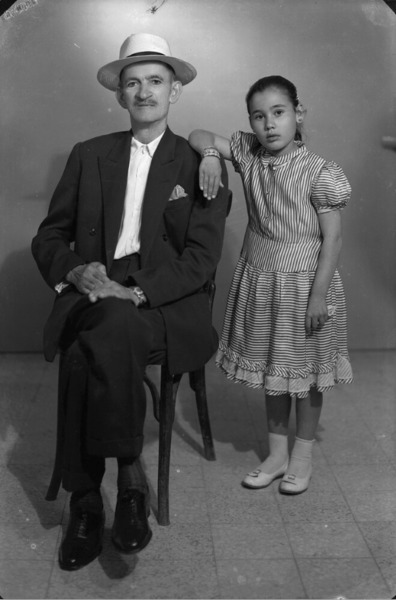
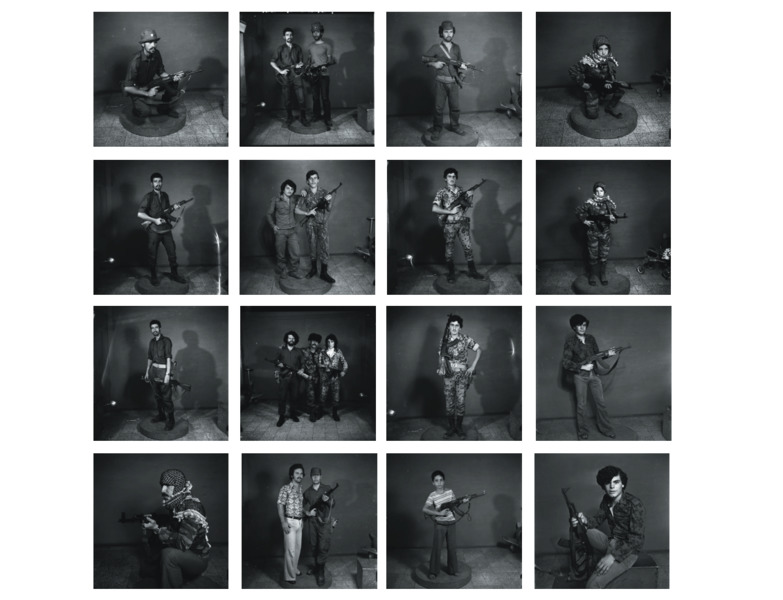
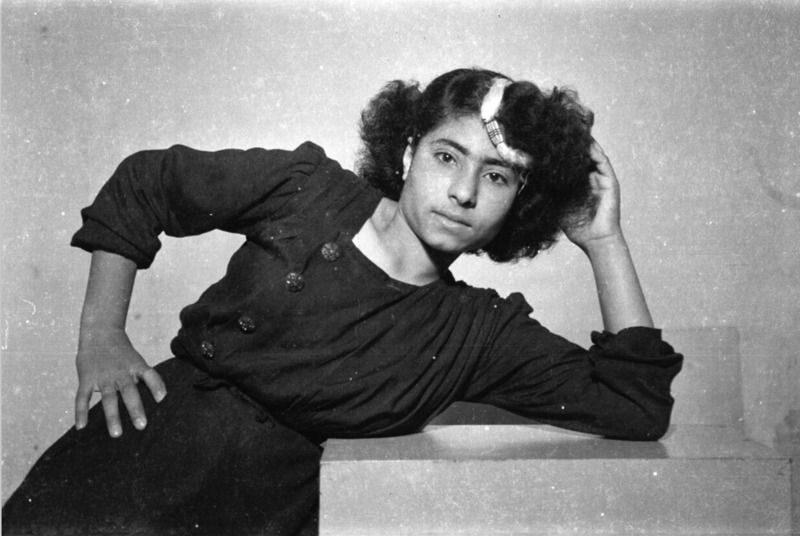
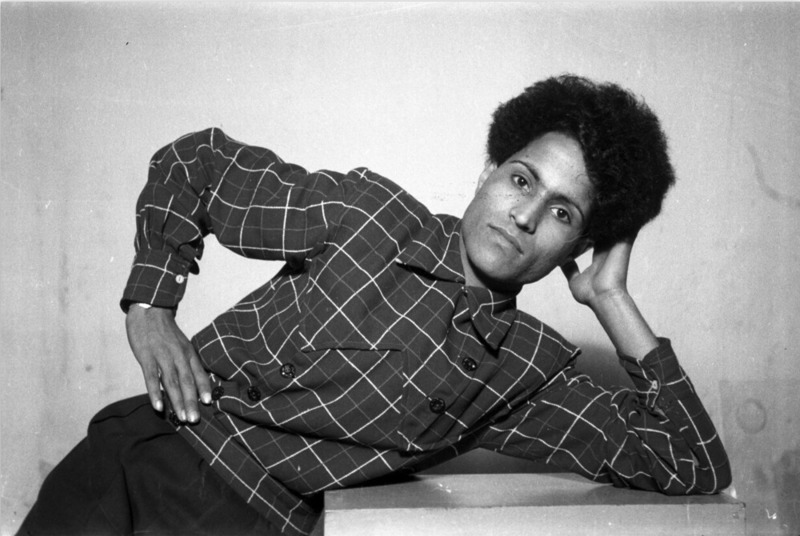
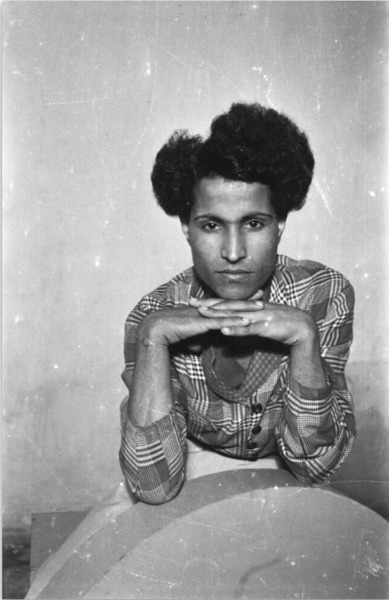
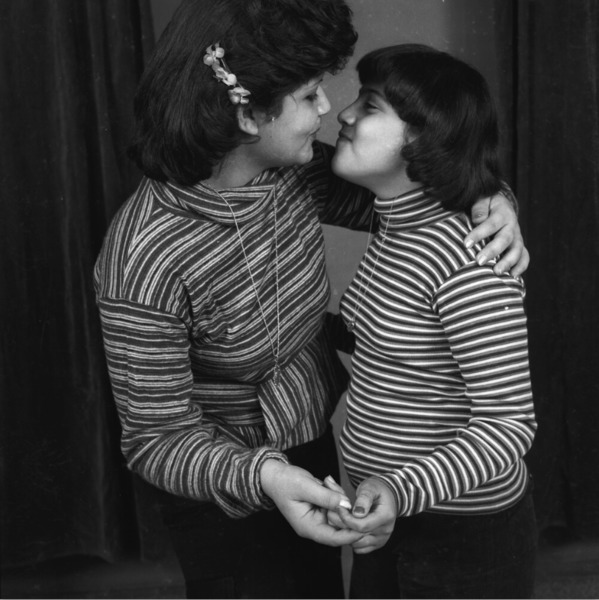
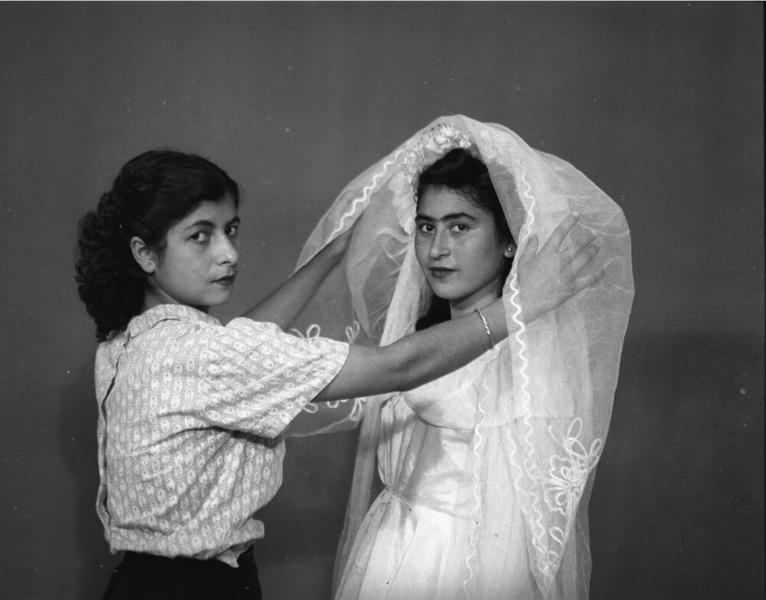
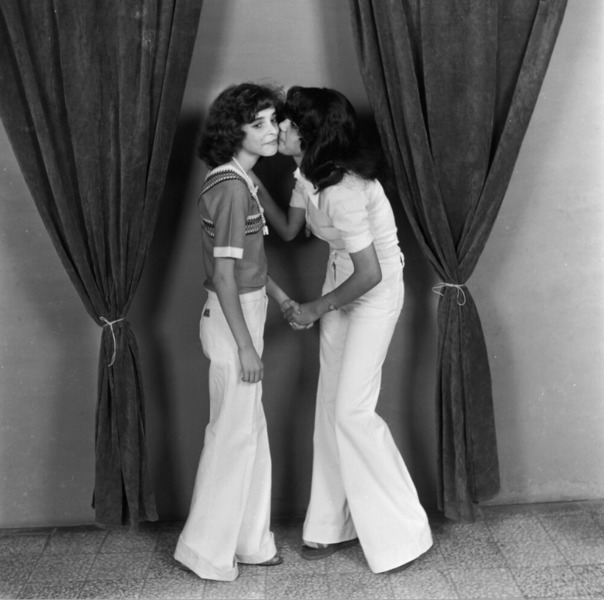
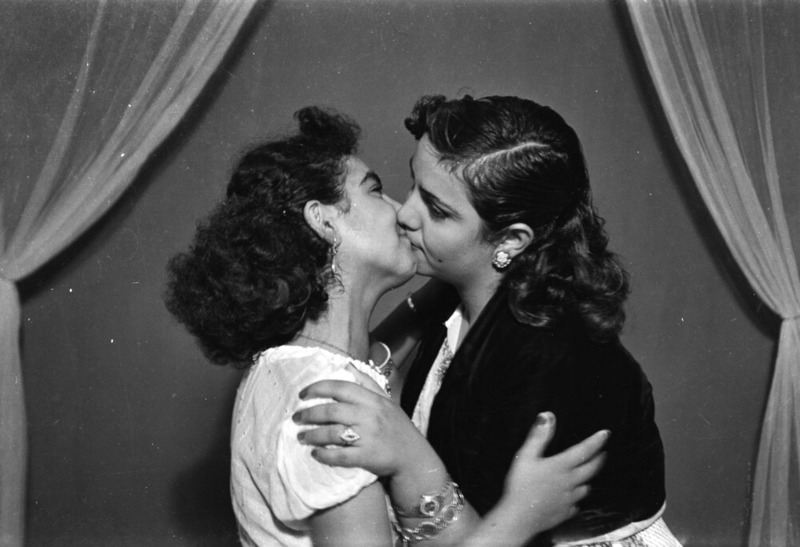
A significant part of his practice has focused on the history of photography in Lebanon and the wider region. Since 2004, he has conducted sustained research into the archive of Studio Shehrazade, founded in Saida by photographer Hashem el Madani, whose photographs document changing forms of social life and photographic practice in Lebanon. Zaatari’s engagement with archival material extends beyond preservation: through selection, recontextualization, exhibition, and reinterpretation, he investigates the relationships between photography, personal memory, political history, and the construction of collective narratives. His work has addressed subjects including political resistance, the Lebanese Civil War, sexuality and intimacy, and the circulation of images during periods of conflict.
Zaatari is one of the founding members of the Arab Image Foundation, established in Beirut in 1997 together with photographers Fouad Elkoury and Samer Mohdad. The foundation was created to locate, collect, preserve, research, and make accessible the photographic heritage of the Middle East, North Africa, and their diasporas. Its collections now comprise more than 500,000 photographic objects and documents. Zaatari’s involvement in the foundation has been fundamental to his broader investigation of archives and photographic practices, while the foundation itself has become an important resource for artistic and scholarly research into the region’s visual culture.
His films and installations frequently combine archival photographs with newly produced images, text, sound, and moving image. Works such as *In This House* (2004) address the recovery of personal and political documents buried during the Lebanese Civil War, while other projects examine the ways in which images survive, circulate, and acquire new meanings over time. Through these processes, Zaatari has developed a practice concerned not simply with documenting history but with questioning how historical knowledge is produced through images and archives.
Zaatari has exhibited internationally and has participated in major exhibitions and biennials, including the Venice Biennale, where he represented Lebanon in 2013 with *Letter to a Refusing Pilot*. His work has also been presented through Videobrasil, which has described his practice as encompassing more than forty videos, numerous books, and extensive installations based on photographic material. In 2011, he received the fourth Yanghyun Prize in recognition of his artistic practice. His work continues to explore the relationships between images, memory, political history, and the material and institutional structures through which photographs and documents are preserved and transmitted.